
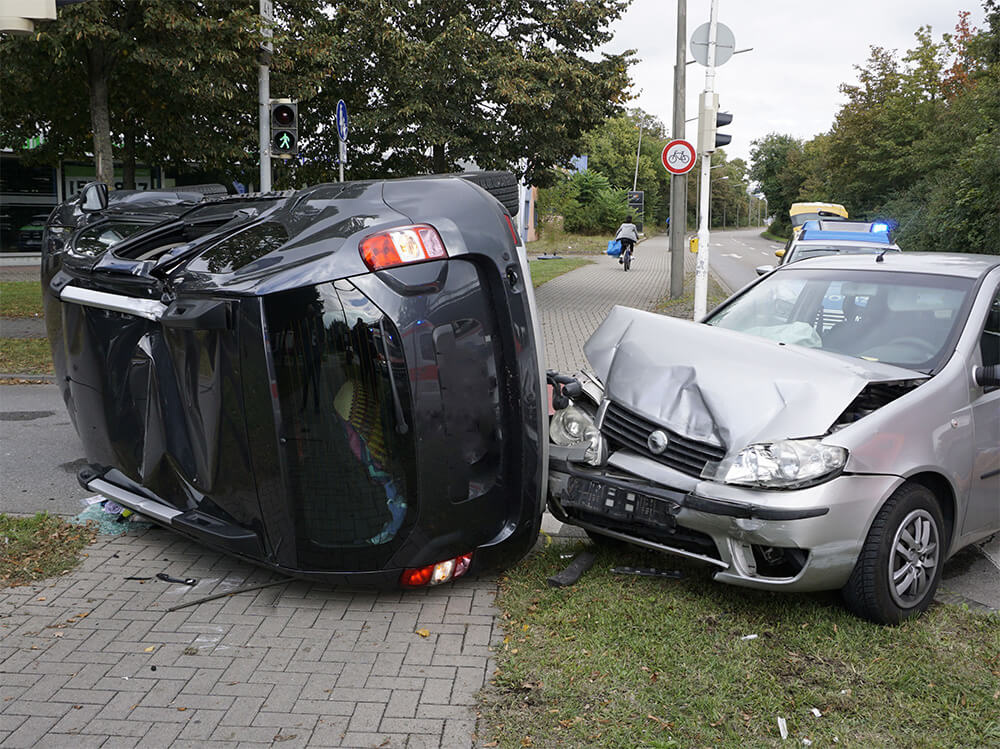
$850,000
Settlement
Motor Vehicle Accident
$675,000
Settlement
Motor Vehicle Accident
$450,000
Settlement
Pedestrian Accident
$300,000
Settlement
Dog Bite
Our Practice Areas
Car Accidents
Truck Accidents
Dog Bite Injuries
and Attacks
Traumatic Brain
Injuries
Pedestrian Accidents
Motorcycle Accidents
Bicycle Accidents
Wrongful Death
– L.Owen, Former Client“Mr. Tehrani is a fantastic attorney. I had a complicated small claims case for which he provided very sound and timely legal advice. He took the time to understand all of the intricate details and was able to help me achieve an even better outcome than I thought was possible. He is incredibly responsive, a tireless advocate, and his representation is truly invaluable. He will always be my go-to attorney. I feel a little badly for folks on the other side — they don’t stand a chance with Mr. Tehrani on your team!”
Put our experience to work for you
BOOK A FREE CONSULTATION TODAYUber and Lyft have become common transportation options throughout Glastonbury for commuting, travel, and everyday errands. While rideshare platforms are convenient, accidents involving Uber and Lyft drivers often create legal and insurance complications that do not exist in standard car accident cases. These claims require guidance from a Glastonbury auto accident attorney who understands Connecticut motor vehicle law and rideshare insurance coverage.
An injured passenger, driver, pedestrian, or cyclist may be left dealing with multiple insurance carriers, unclear coverage rules, and disputes over fault. Working with an experienced Uber/Lyft accident lawyer in Glastonbury can help protect your rights and strengthen your compensation claim. At Tehrani Law Group, we represent individuals throughout Connecticut who have been injured in rideshare and other motor vehicle crashes and fight to recover full compensation for their injuries.
Why Uber and Lyft Accidents Are More Complex Than Other Collisions
Rideshare claims often involve additional insurance issues. Unlike traditional crashes, rideshare accidents require determining whether Uber or Lyft insurance applies, which depends on the driver’s status at the time of the collision. In many cases, coverage changes based on whether the driver was:
- Not logged into the rideshare app
- Logged in and available for requests
- Driving to pick up a passenger
- Transporting a passenger
Establishing the driver’s status is often a key factor in determining the appropriate insurance coverage and the maximum available compensation.
Understanding the Phases of Insurance Coverage in Rideshare Accidents
The primary challenge in a Glastonbury rideshare claim is identifying which insurance policy is active and primary. Four distinct phases determine the level of financial protection available to victims:
Phase One: The App Is Offline
A driver is legally treated as a private motorist when they are operating their vehicle with the Uber or Lyft app closed. In this scenario, only their personal Connecticut auto insurance policy applies. It is important to note that many personal insurance policies contain commercial-use exclusions, which can lead to coverage denial if the insurer discovers the driver was using the vehicle for work-related purposes, even if the app was off at the time.
Phase Two: The App Is Open, Waiting for a Request
If the driver has logged into the app, is actively looking for a passenger, and has not yet accepted a ride, a contingent policy applies. Uber and Lyft provide liability coverage in this phase, typically up to $50,000 per person for bodily injury and $100,000 per accident. This coverage only triggers if the driver’s personal insurance denies the claim or is insufficient to cover it.
Phase Three: En Route to Pick Up a Passenger
This phase begins the moment a driver accepts a ride request on the app and is traveling to meet the passenger. During this en route period, the driver is often under pressure to arrive quickly, which can lead to increased speeds or distracted driving. Legally, the $1 million commercial liability policy becomes active at this stage.
Phase Four: An Active Ride Is in Progress
This phase covers the duration of the trip while the passenger is physically inside the vehicle. The $1 million commercial liability policy remains in effect throughout this phase. This policy is designed to cover injuries to the rideshare passenger, occupants of other vehicles, and pedestrians. Additionally, this phase includes uninsured/underinsured motorist (UM/UIM) coverage to protect rideshare occupants if a third-party driver with inadequate coverage hits them.following the accident with an offer. Keep their offer in mind when you contact our Uber accident attorney in Connecticut.
Common Types of Uber and Lyft Accidents in Glastonbury
Recent data shows there were 668 motor vehicle accidents in Glastonbury in 2024. While rideshare crashes are not limited to specific towns or roads, they often happen in predictable places, especially where traffic is heavy, drivers are navigating unfamiliar areas, or pickups and drop-offs involve quick stops and sudden lane changes. The town’s mix of local traffic patterns, shopping areas, and highway access points creates higher-risk conditions for rideshare crashes. They often occur in areas such as:
- The Route 2 Corridor: Route 2 is one of the main routes connecting Glastonbury to Hartford and can experience heavy congestion during peak commute hours. Sudden slowdowns, merging traffic, and close following distances can contribute to rear-end collisions and multi-vehicle crashes.
- Hebron Avenue and Main Street: This area has steady traffic and frequent turning activity, with restaurants, shops, bus stops, and pickup locations nearby. Rideshare drivers may be focused on locating passengers or navigating unfamiliar entrances, which can increase the risk of accidents.
- The Shops at Somerset Square: Retail areas and parking lots can be high-risk areas due to pedestrian traffic, frequent stops, and vehicles backing out or turning unexpectedly. Even low-speed crashes in these areas can still cause injuries.
- New London Turnpike: As a commonly used route for local drivers, New London Turnpike can pose risks related to speed and failure to yield. Ongoing CTDOT construction in the area may also involve lane closures and shifting traffic patterns, increasing the risk of sudden slowdowns and crashes.
A rideshare crash can happen anywhere, but accidents are more likely in areas that require frequent stops, quick decisions, and constant attention to surrounding traffic. When a collision occurs, identifying how it happened and securing the evidence early can significantly impact the outcome of an injury claim.ms who follow these steps are better prepared for settlement negotiations.
Types of Uber and Lyft Accidents We See in Glastonbury
Rideshare accidents occur in many forms, including:
- Passengers injured while riding in an Uber or Lyft
- Passengers injured when another driver strikes a rideshare vehicle
- Drivers injured in collisions caused by Uber or Lyft vehicles
- Rideshare drivers who hit pedestrians
- Cyclists struck near intersections or roadside pickup zones
- Multi-vehicle crashes involving rideshare vehicles
- Accidents caused by unsafe stopping, turning, or lane changes
These incidents can lead to severe injuries, including concussions, spinal injuries, broken bones, and long-term pain conditions requiring ongoing treatment.
Why You Need Help from a Rideshare Accident Attorney After a Crash
The insurance companies that represent Uber and Lyft are highly specialized in minimizing the financial exposure of the rideshare companies. They often use tactics designed to delay the claims process or shift blame onto the injured party.
Evidence Preservation and Digital Forensics
A rideshare claim relies heavily on digital evidence, including GPS data, server timestamps, and the vehicle’s black box. Our team moves quickly to issue spoliation letters, which legally require the rideshare companies to preserve this data. Without this evidence, it can be challenging to determine which insurance phase was in effect at the time of the crash.
Dealing with Multiple At-Fault Parties
Sometimes an accident involves a rideshare driver and a third-party motorist. Connecticut’s modified comparative negligence laws allow a judge or jury to allocate fault among multiple parties. Our role is to hold every negligent party accountable so that you receive the maximum possible recovery.
Why Choose Tehrani Law Group
After an accident, the legal process can feel unfamiliar and stressful, especially when you are trying to recover physically while also dealing with insurance companies. Tehrani Law Group provides dedicated representation for injury victims in Glastonbury and throughout Connecticut. Our firm has successfully recovered over $13 million in settlements and verdicts for our clients. Clients choose our firm because we provide:
- Individual Attention and a Client-Centered Approach: We do not treat your case like a file number. We take the time to understand how the crash has affected your health, work, and daily life.
- Clear Guidance Throughout the Legal Process: We explain what to expect, what decisions matter most, and what steps come next, so you are not left guessing.
- Thorough Preparation and Strong Case Development: We approach each claim with the level of detail required to support full compensation, not just a quick payout.
- Efficient Case Management and Proactive Follow-up: We keep the case moving forward, stay on top of deadlines, and address delays before they derail progress.
- A Reputation for Successful Advocacy and Professional Service: We are known for handling cases seriously and pushing back when insurers do not offer fair value.
- A Commitment to the Community: We support education through our scholarship program, reflecting our commitment to give back beyond the cases we handle.
When you hire our firm, you will have an attorney who takes your case seriously, stays engaged throughout the process, and works to pursue an outcome that reflects the true impact of your injuries.
How Our Glastonbury Uber/Lyft Accident Attorney Can Help
Uber and Lyft collisions often raise issues that do not arise in standard car accident claims, including disputes over rideshare insurance coverage, driver app status, and liability. Insurance companies may delay investigations or shift responsibility to another policy to reduce their payouts. Our team works to identify all available coverage and build a claim supported by substantial evidence. We can assist by:
- Investigating the accident and identifying liability
- Obtaining the police report and supporting documentation
- Coordinating evidence collection, including witness information
- Reviewing insurance policies and available rideshare coverage
- Managing communication with insurance companies
- Documenting damages and building claim value
- Negotiating for a fair settlement
- Filing a lawsuit when necessary
A successful rideshare injury claim requires more than basic paperwork. It takes organization, attention to detail, and a strategy designed to prove fault, preserve crucial evidence, and pursue compensation that reflects your immediate losses and future needs.
Compensation After a Uber/Lyft Collision
A serious rideshare accident can create lasting medical problems, interrupt your ability to work, and affect nearly every part of your daily life. In an Uber or Lyft injury claim, compensation may include:
- Medical Expenses: Emergency care, hospitalization, surgery, physical therapy, diagnostic testing, medication, specialist treatment, and future medical needs
- Lost Income: Missed wages, reduced earning capacity, and lost employment benefits
- Pain and Suffering: Physical pain, reduced mobility, activity limitations, and ongoing discomfort caused by the injury
- Emotional Distress: Anxiety, sleep disruption, trauma symptoms, and other emotional effects of the crash
- Out-of-Pocket Costs: Transportation for medical appointments, household assistance, medical equipment, and other recovery-related expenses
- Wrongful Death Damages: Losses available to surviving family members after a fatal crash, subject to Connecticut law and procedural requirements
Insurance companies often focus on your immediate medical bills, while overlooking the long-term impact of your injury, because those are easy to calculate. Our Uber accident lawyers work to pursue compensation that reflects the full cost of the accident, both now and in the future.
Filing Deadlines for Uber and Lyft Accident Lawsuits in Connecticut
Connecticut personal injury claims are subject to filing deadlines that can affect your ability to recover compensation. Pursuant to Connecticut General Statutes § 52-584, the statute of limitations for personal injury claims is generally two years from the date of the accident.
Your legal team needs to secure digital logs from Uber or Lyft and interview witnesses well before this deadline. If you fail to initiate legal action within this timeframe, you may lose your ability to seek compensation. This is why seeking legal guidance early is so important.
Steps to Take After an Uber or Lyft Accident
After a rideshare collision, there are specific actions you can take that can help support your injury claim and reduce complications later.
- Seek medical attention immediately, even if symptoms appear minor.
- Report the crash through the Uber or Lyft platform.
- Request law enforcement assistance and obtain the accident report.
- Document the scene, including damage, road conditions, and visible injuries.
- Collect contact information for witnesses.
- Avoid giving recorded statements before obtaining legal advice.
- Consult a reputable Glastonbury personal injury lawyer to protect your claim.
In many cases, early preservation of evidence can be critical, primarily when insurers dispute fault or coverage.
Contact Tehrani Law Group Today to Schedule a Free Consultation with an Uber Accident Attorney
Uber and Lyft accident cases can involve multiple insurers, disputes over responsibility, and complex coverage issues. Injured individuals should not try to manage these challenges on their own, especially while recovering. If you were injured in a rideshare crash, Tehrani Law Group can help you evaluate your options and pursue compensation through the appropriate legal process.
We offer free consultations and represent clients throughout Connecticut. To speak with a rideshare accident lawyer in Glastonbury, contact our law firm online today.
Connecticut's Personal Injury Attorney
tehrani law group
REACH OUT NOW
With our free consultations, you are able to get an idea of your claim, speak with our experienced attorneys, and know that your case will be in good hands.
Below, you can schedule a consultation with an attorney at our firm, you can fill out a form and we’ll reach out to you as soon as possible